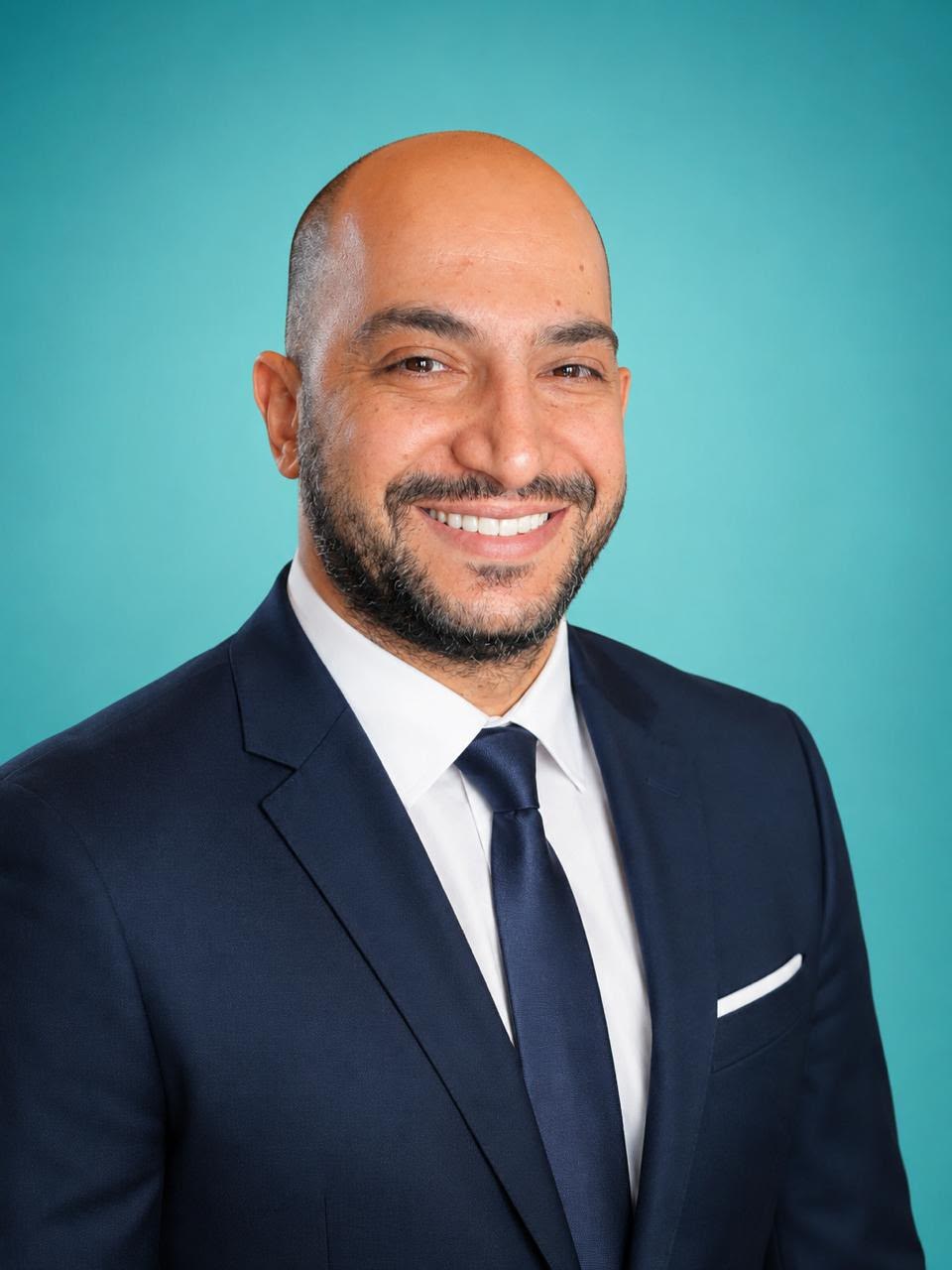
Open to research collaboration
Hi, I'm Ahmad Muhammad Alomari,
PhD candidate researching how digital technology changes financial reporting
I study how digital technology and artificial intelligence change the quality of financial reporting, and how corporate governance shapes that change. My empirical work centres on listed firms and banks in Jordan, Saudi Arabia and the Gulf.
School of Management, Universiti Sains Malaysia
Research record
- Published articles
- 12
- Accepted, in press
- 2
- Under review
- 4
- Working papers and preprints
- 8
- Total research papers
- 26
Research
What I work on
The current programme asks when digital technology improves the reliability of financial reports, and which governance conditions make that improvement real.
- AI and digital technology in accounting and auditingAdoption, audit efficiency, and the effects of AI on accountants and on financial performance.
- Financial reporting qualityEarnings management and the reliability of reported numbers under new disclosure rules.
- Corporate governanceBoards, ownership structure, IT governance, and governance as a moderator of technology effects.
- ESG and sustainability reportingMandatory disclosure, sustainability assurance, climate disclosure, and ESG controversies.
- Banking and FinTechDigitization and FinTech adoption in Gulf commercial and Islamic banks.
- Language models for disclosure measurementBilingual text measurement for Arabic and English corporate reports.
- Emerging capital marketsEmpirical settings in Jordan, Saudi Arabia, and the GCC.
Publications
Recent published articles
Open a paper to read its abstract. Published, accepted and unpublished work stay clearly apart.
Questions I often get
Working on something related? Send me a message.
Ahmad Muhammad Alomari
PhD Candidate, School of Management, Universiti Sains Malaysia